
Conference Speakers
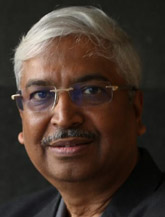
Sh. Ramesh Natarajan
With over 45 years of expertise, Ramesh Natarajan is a renowned battery industrialist, bestselling author, and industry mentor. His journey spans from graduate trainee to managerial leader, culminating in the establishment of a successful greenfield export plant and a thriving 22-year startup venture. Ramesh ji comprehensive experience includes battery design, project execution, manufacturing, and quality training. He is the author of the Amazon #1 bestsellers Batteries Demystified and Batteries Demystified for Service Engineers. A dedicated educator, he shares his vast knowledge through podcasts and videos. Discover his insights and resources at www.RameshNatarajan.in. Here his Podcasts and Videos are available on batteries.
Topic: Conference Coordinator
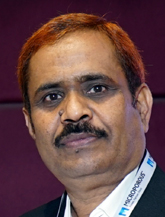
Dr. N. Sugumaran
M.Sc, Ph.D (I.I.Sc). Gold Medalist and Ph.D in Electrochemistry from IIS, Bengaluru. Exposed to almost entire world battery technologies such as -JCI (USA), Exide (USA), Northstar (USA), Varta ( Germany), GS (Japan), Yuasa (Japan), Furukawa (Japan), Shenkobe (Japan), Having strong theoretical and practical knowledge in Design b) Process c) Manufacturing d) Testing e) Project management f) finance g) Market h) Material and i) Service of all types of lead acid batteries. At present helping and guiding several industries in Design, Process, Manufacturing, Testing, Project management, finance, Market, Material and Service of all types of lead acid batteries.
Topic: Challenges Faced by Lead and Lithium in BESS in Indian conditions
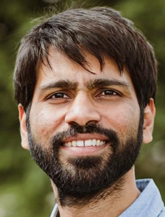
Dr. Akshay Jain
Dr. Akshay Jain, with over a decade of experience in carbon materials research and application, will discuss how carbon structure, surface chemistry, porosity, and conductivity influence performance in both lead-acid and lithium-ion systems. He is presenting on the subject- Cancrie Nanocarbons for High-Performing Lead-Acid and Lithium-ion Batteries. Carbon materials play a fundamental role in controlling electrode kinetics, charge transport, and long-term stability in batteries. The talk will examine the role of advanced nanocarbons in improving charge acceptance, partial state-of-charge (PSoC) performance, cycle life, and internal resistance, with insights drawn from material characterization and application-level performance evaluation across battery chemistries.
Topic: Cancrie Nanocarbons for High-Performing Lead-Acid and Lithium-ion Batteries
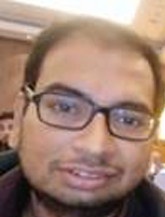
Dr. Sunder Mayavan
Dr. Sundar Mayavan, Principal Scientist at CSIR-CECRI, presents "SLI vs. EFB: Understanding Differences for Micro-Hybrid Applications." An expert in electrochemistry with a Ph.D. from the University of South Australia, he heads India’s NABL-accredited battery testing center. With over 15 years of research, 25 papers, and a patent, Dr. Mayavan specializes in nanocarbons, e-Rickshaw, and Start-Stop batteries. As a BIS technical committee member, he actively shapes national standards for primary and secondary batteries. His session provides deep insights into energy storage, BMS for lead-acid systems, and laboratory management under ISO 17025:2017.
Topic: Understanding Lead-Acid and Lithium-Ion Batteries Across Diverse Applications

Aditya Mahwar
Aditya is a business development consultant with over nine years of experience in hazardous waste management and environmental compliance. He specializes in EPR compliance under the Battery Waste Management Rules and the import of hazardous waste, including lead scrap and used lead-acid batteries. He has actively supported battery businesses in implementing EPR requirements and using the EPR Battery Portal. Through close work with ground-level users, he understands challenges such as credit generation, credit transfer, data entry errors, and portal navigation. Aditya consolidates these issues and shares them with regulators to improve transparency, efficiency, and compliance outcomes.
Topic: Import of Lead Scrap and Used/Waste Lead Acid Battery (ULAB) in India – Requirements & Procedure
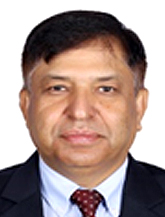
Dr. Madhusudhan Adhikari
Madhusudhan Adhikari, PhD in Energy Management, is a seasoned energy expert with more than 34 years of experience in electricity regulation, hydropower, renewable energy access, clean cooking, and climate change. He has worked with government agencies, private companies, and international development partners, including the World Bank, Asian Development Bank, DANIDA, and NORAD. His key achievements include serving as the World Bank’s international solar energy advisor to the Government of Myanmar, completing a four-year tenure as Chief Executive Officer of Nepal’s Alternative Energy Promotion Centre, and serving as Commissioner at the Electricity Regulatory Commission of Nepal.
Topic: USE OF RENEWABLE ENERGY IN HILL REGION Experiences from Nepal
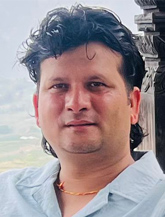
Sh. Dinesh Rawal
Dinesh Rawal is a Civil Engineer from Kathmandu, Nepal, specializing in Transportation and Pavement Engineering with over 10 years of experience in infrastructure design, construction supervision, QA/QC, and project monitoring. He holds a B.E. in Civil Engineering from Tribhuvan University, a Master’s in Engineering Management from the University of Newcastle, Australia, and is pursuing an MSc in Transportation Engineering and Management at Nepal Engineering College. His experience includes building, road, railway, school, health facility, and slope protection projects. He has supervised 20 school complexes, contributed to UNICEF-supported learning structures, and researches geocomposite-reinforced flexible pavements using PLAXIS 3D.
Topic: Electric Mobility in Nepal: A Blueprint for Sustainable Transport and Grid Resilience
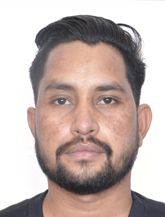
Er. Amraj B K
Er. Amraj B.K. is a Civil Engineer with a Master’s degree in Transportation Engineering and Management and over six years of experience in infrastructure development and engineering education. His expertise includes transportation planning, road and highway engineering, construction supervision, engineering surveys, and academic research. He has contributed to infrastructure projects involving roads, buildings, and tunnels, while also serving as an engineering instructor. His research interests focus on sustainable transportation, public transport planning, electric mobility, transport infrastructure, and data-driven transport analysis. His master’s research examined public transport demand and service adequacy in Kathmandu Valley, supporting improved planning and mobility outcomes.
Topic: Improving Battery Efficiency and Charging Solutions for Sustainable Electric Mobility
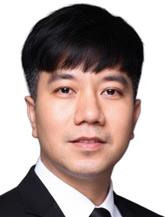
Dr. Atichat Rotjanakorn
Dr. Atichat Rotjanakorn serves as a committee member for both the Thailand Energy Storage Technology Association (TESTA) and the Electric Vehicle Association of Thailand (EVAT). He is also a researcher and advisor at the Thailand Development Research Institute (TDRI). He brings over 20 years of extensive experience in R&D within the automotive and battery industries.
Topic: The Evolution of the Thai Automotive Industry: Opportunities in EV and Energy Storage Systems
Sh. Ramesh Natarajan
With over 45 years of expertise, Ramesh Natarajan is a renowned battery industrialist, bestselling author, and industry mentor. His journey spans from graduate trainee to managerial leader, culminating in the establishment of a successful greenfield export plant and a thriving 22-year startup venture. Ramesh ji comprehensive experience includes battery design, project execution, manufacturing, and quality training. He is the author of the Amazon #1 bestsellers Batteries Demystified and Batteries Demystified for Service Engineers. A dedicated educator, he shares his vast knowledge through podcasts and videos. Discover his insights and resources at www.RameshNatarajan.in. Here his Podcasts and Videos are available on batteries.
Topic: Conference Coordinator
Dr. N. Sugumaran
M.Sc, Ph.D (I.I.Sc). Gold Medalist and Ph.D in Electrochemistry from IIS, Bengaluru. Exposed to almost entire world battery technologies such as -JCI (USA), Exide (USA), Northstar (USA), Varta ( Germany), GS (Japan), Yuasa (Japan), Furukawa (Japan), Shenkobe (Japan), Having strong theoretical and practical knowledge in Design b) Process c) Manufacturing d) Testing e) Project management f) finance g) Market h) Material and i) Service of all types of lead acid batteries. At present helping and guiding several industries in Design, Process, Manufacturing, Testing, Project management, finance, Market, Material and Service of all types of lead acid batteries.
Topic: Challenges Faced by Lead and Lithium in BESS in Indian conditions
Dr. Akshay Jain
Dr. Akshay Jain, with over a decade of experience in carbon materials research and application, will discuss how carbon structure, surface chemistry, porosity, and conductivity influence performance in both lead-acid and lithium-ion systems. He is presenting on the subject- Cancrie Nanocarbons for High-Performing Lead-Acid and Lithium-ion Batteries. Carbon materials play a fundamental role in controlling electrode kinetics, charge transport, and long-term stability in batteries. The talk will examine the role of advanced nanocarbons in improving charge acceptance, partial state-of-charge (PSoC) performance, cycle life, and internal resistance, with insights drawn from material characterization and application-level performance evaluation across battery chemistries.
Topic: Cancrie Nanocarbons for High-Performing Lead-Acid and Lithium-ion Batteries
Dr. Sunder Mayavan
Dr. Sundar Mayavan, Principal Scientist at CSIR-CECRI, presents "SLI vs. EFB: Understanding Differences for Micro-Hybrid Applications." An expert in electrochemistry with a Ph.D. from the University of South Australia, he heads India’s NABL-accredited battery testing center. With over 15 years of research, 25 papers, and a patent, Dr. Mayavan specializes in nanocarbons, e-Rickshaw, and Start-Stop batteries. As a BIS technical committee member, he actively shapes national standards for primary and secondary batteries. His session provides deep insights into energy storage, BMS for lead-acid systems, and laboratory management under ISO 17025:2017.
Topic: Understanding Lead-Acid and Lithium-Ion Batteries Across Diverse Applications
Aditya Mahwar
Aditya is a business development consultant with over nine years of experience in hazardous waste management and environmental compliance. He specializes in EPR compliance under the Battery Waste Management Rules and the import of hazardous waste, including lead scrap and used lead-acid batteries. He has actively supported battery businesses in implementing EPR requirements and using the EPR Battery Portal. Through close work with ground-level users, he understands challenges such as credit generation, credit transfer, data entry errors, and portal navigation. Aditya consolidates these issues and shares them with regulators to improve transparency, efficiency, and compliance outcomes.
Topic: Import of Lead Scrap and Used/Waste Lead Acid Battery (ULAB) in India – Requirements & Procedure
Dr. Madhusudhan Adhikari
Madhusudhan Adhikari, PhD in Energy Management, is a seasoned energy expert with more than 34 years of experience in electricity regulation, hydropower, renewable energy access, clean cooking, and climate change. He has worked with government agencies, private companies, and international development partners, including the World Bank, Asian Development Bank, DANIDA, and NORAD. His key achievements include serving as the World Bank’s international solar energy advisor to the Government of Myanmar, completing a four-year tenure as Chief Executive Officer of Nepal’s Alternative Energy Promotion Centre, and serving as Commissioner at the Electricity Regulatory Commission of Nepal.
Topic: USE OF RENEWABLE ENERGY IN HILL REGION Experiences from Nepal
Sh. Dinesh Rawal
Dinesh Rawal is a Civil Engineer from Kathmandu, Nepal, specializing in Transportation and Pavement Engineering with over 10 years of experience in infrastructure design, construction supervision, QA/QC, and project monitoring. He holds a B.E. in Civil Engineering from Tribhuvan University, a Master’s in Engineering Management from the University of Newcastle, Australia, and is pursuing an MSc in Transportation Engineering and Management at Nepal Engineering College. His experience includes building, road, railway, school, health facility, and slope protection projects. He has supervised 20 school complexes, contributed to UNICEF-supported learning structures, and researches geocomposite-reinforced flexible pavements using PLAXIS 3D.
Topic: Electric Mobility in Nepal: A Blueprint for Sustainable Transport and Grid Resilience
Er. Amraj B K
Er. Amraj B.K. is a Civil Engineer with a Master’s degree in Transportation Engineering and Management and over six years of experience in infrastructure development and engineering education. His expertise includes transportation planning, road and highway engineering, construction supervision, engineering surveys, and academic research. He has contributed to infrastructure projects involving roads, buildings, and tunnels, while also serving as an engineering instructor. His research interests focus on sustainable transportation, public transport planning, electric mobility, transport infrastructure, and data-driven transport analysis. His master’s research examined public transport demand and service adequacy in Kathmandu Valley, supporting improved planning and mobility outcomes.
Topic: Improving Battery Efficiency and Charging Solutions for Sustainable Electric Mobility
Dr. Atichat Rotjanakorn
Dr. Atichat Rotjanakorn serves as a committee member for both the Thailand Energy Storage Technology Association (TESTA) and the Electric Vehicle Association of Thailand (EVAT). He is also a researcher and advisor at the Thailand Development Research Institute (TDRI). He brings over 20 years of extensive experience in R&D within the automotive and battery industries.
Topic: The Evolution of the Thai Automotive Industry: Opportunities in EV and Energy Storage Systems